The worst hotspots for animal collisions nationwide
The research also confirmed that dusk is the most dangerous time for wildlife related road accidents, with more than a quarter (26 per cent) of accidents taking place between the hours of 4:30pm and 8pm. Travelling on a Saturday also increases drivers’ chances of a collision, with the statistics revealing that it is the worst day of the week for animal collisions, with one third (30 per cent) of all collisions taking place over the weekend (Saturday and Sunday).
The cost of a road accident involving wildlife extends beyond endangering lives, with the average cost of an animal collision insurance claim reported to be between $5,500 and $6,400. In fact, approximately one in seven claims lodged in 2022 (14 per cent) that involved wildlife, sustained such severe damage to the vehicle that the car was written off.
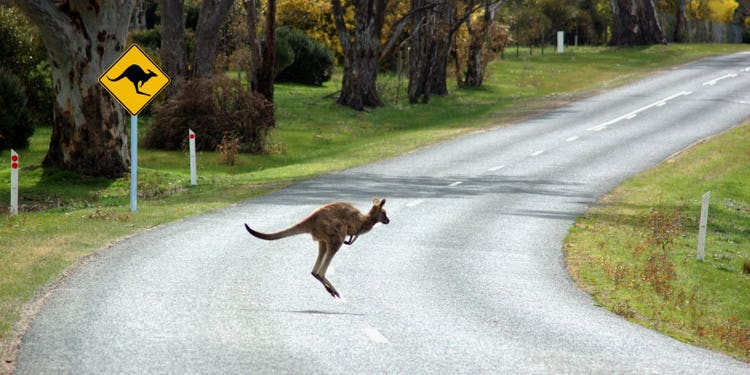
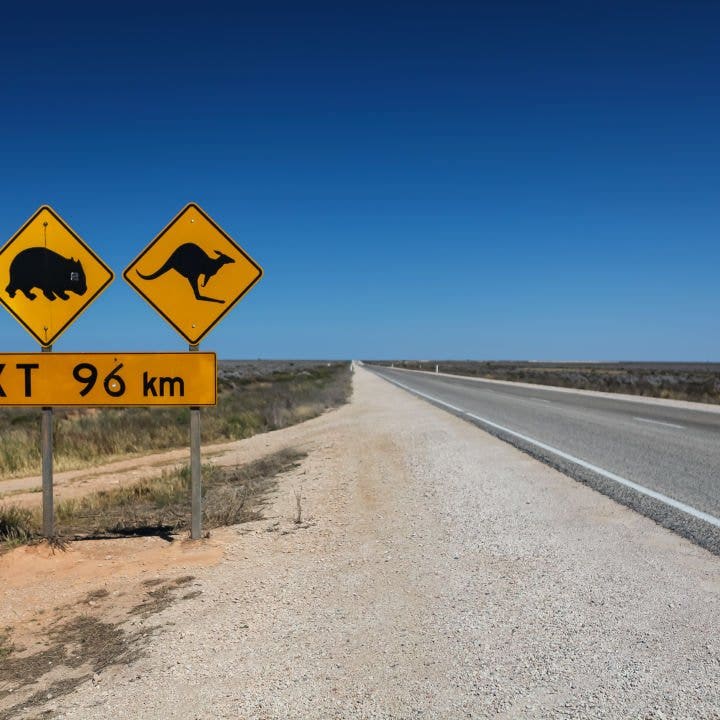
Other key insights from AMMI’s research includes the fact that animal collisions are twice as likely to happen on rural roads (31 per cent) than suburban roads (15 per cent). In addition, more than three quarters of Australians (76 per cent) believe kangaroos are the animals that would cause the most damage to a car if involved in a collision, followed by wombats (16 per cent). The most common animals that Aussie drivers collide with are kangaroos, wallabies, wombats, dogs, deer and cows.
Kahl Dwight, AAMI Head of Motor Claims, says that being vigilant about various factors such as time of day, visibility and to expect the unexpected is the key to staying safe.
“We encourage drivers to always expect the unexpected and know ahead of time what they should do– which is slow down and brake but avoid swerving so as not to endanger yourself and other drivers. It’s far less dangerous to keep driving and damage your car than swerve to avoid it and collide with another vehicle or tree," says Mr Dwight.
“To avoid crashing with wildlife this winter, use your peripheral vision and be aware of your surroundings. Wildlife is unpredictable and can appear out of nowhere so it’s best to always be on the lookout."
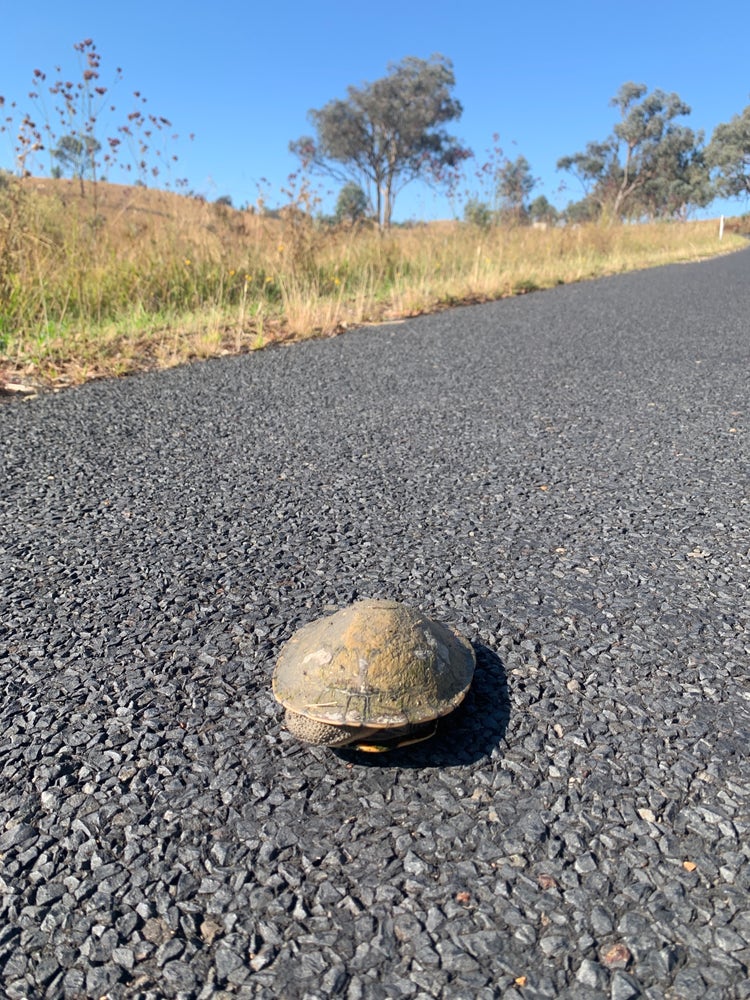
Kristie Newton from WIRES (Wildlife Information Rescue and Education Service) provides some timely advice about driving during the winter months.
“The darker winter months are the most perilous time for wildlife on our roads. Hitting wildlife can not only cause vehicle damage and emotional distress for the driver involved, but also the loss of native animals, which has a huge impact on Australia’s biodiversity and endangered species," said Kristie Newton from WIRES (Wildlife Information Rescue and Education Service).
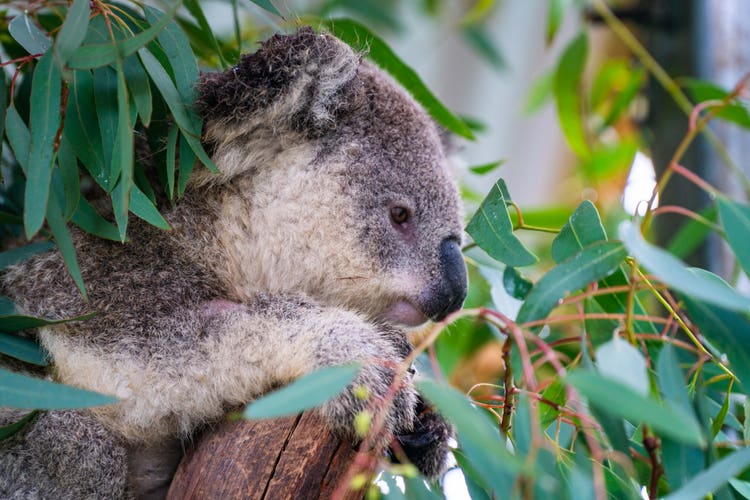
“These types of collisions are particularly detrimental to koala populations, which are in serious decline across the country. A colony known as the Campbelltown koalas are the only growing population in NSW, however in recent years the recorded number of koalas hit and killed by motorists have doubled, with road accidents now the leading cause of koala deaths in the region," she said.
The WIRES spokesperson also shared some practical advice on how to check the welfare of any wildlife that has experienced a vehicle collision.
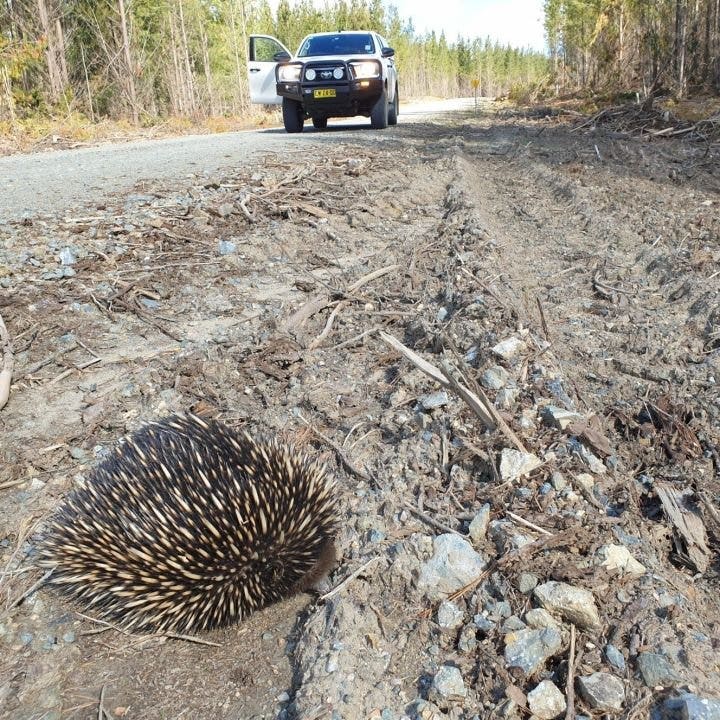
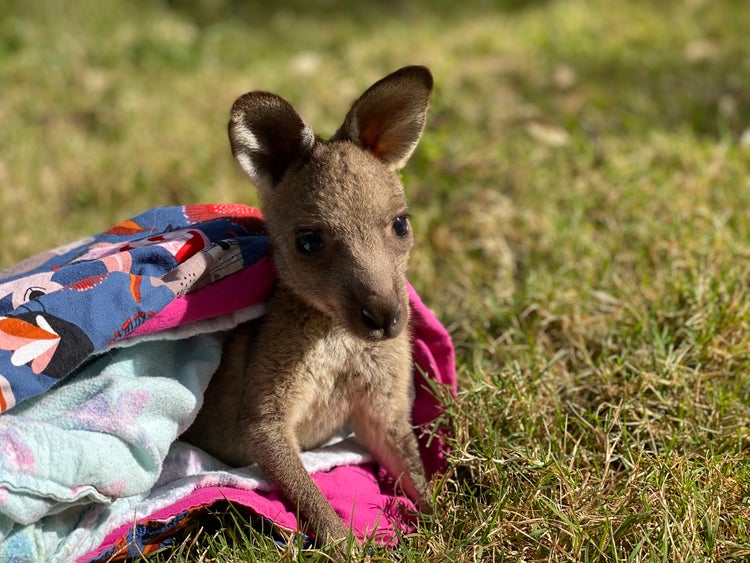
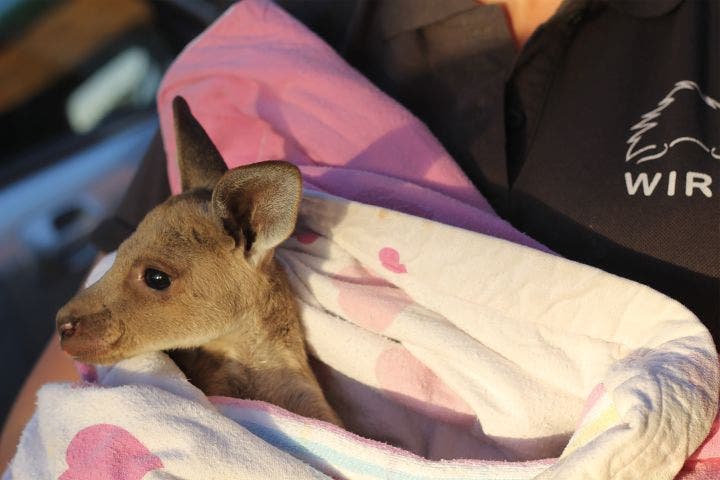
“If the animal has died due to road trauma – especially if it is a kangaroo - check if it is a female and if there’s a joey(s) in her pouch or around her. Pouches/flaps of wombats and echidnas should also be checked as well as the surrounding area, as young echidnas are often dislodged during a vehicle collision.
“Keeping a small kit in your car, especially if you are driving in a high wildlife area, is another simple way to help injured wildlife in the event of an accident. This means you can assist with pouch checks and potentially save the lives of orphaned animals," she said.
Top Five Animal Collision Hotspots by State
Victoria
New South Wales
Queensland
Western Australia
South Australia
Tasmania
Australian Capital Territory
Northern Territory
Media kit
Radio Grabs
Images & Videos


Media Release
Infographics


