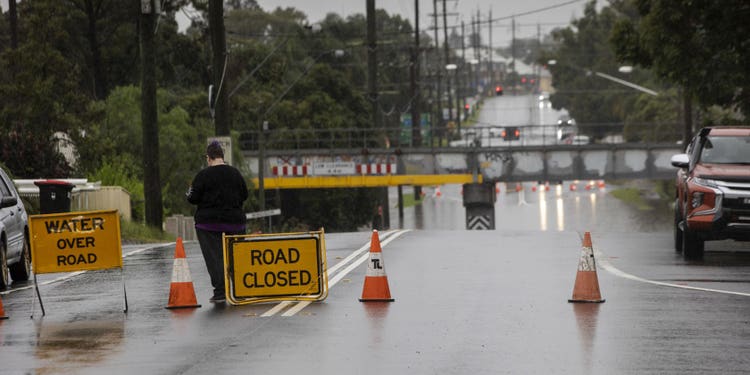
With storm season upon us, Suncorp Group in partnership with its various SES partners in NSW, Victoria and Queensland, have revealed the state's worst storm damaged hotspots this past financial year.
The insurer analysed weather-related home insurance claims across New South Wales, Victoria and Queensland from 1 July 2022 to 30 June 2023 to reveal the hardest hit suburbs in each state, many of which were backed by SES state partners who have confirmed a significant number of calls for assistance in the same or neighbouring suburbs.
In New South Wales, data reveals that almost half of the state’s top 10 storm-battered suburbs are in Newcastle and Lake Macquarie, while the NSW SES reports that Port Macquarie, located on the NSW’s mid-north coast, had the most storm-related incidents recorded in the last financial year, with local SES volunteers responding to almost 600 incidents.
AAMI's Top 10 storm hotspots in NSW
NSW SES Top 10 storm hotspots in NSW

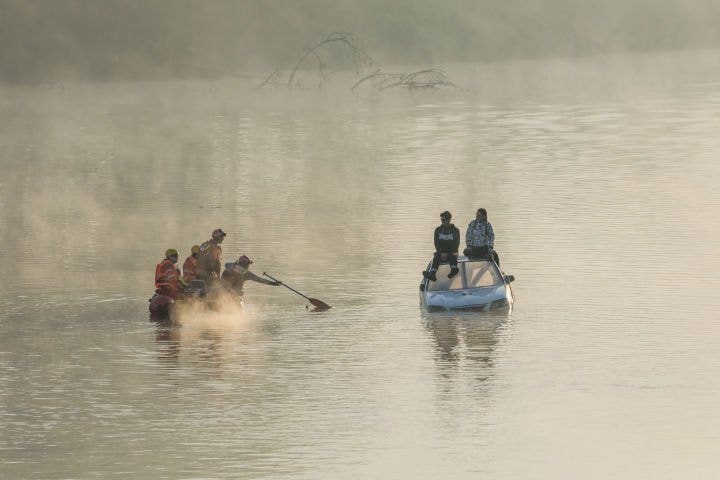
Suncorp Insurance's Top 10 storm hotspots in Queensland
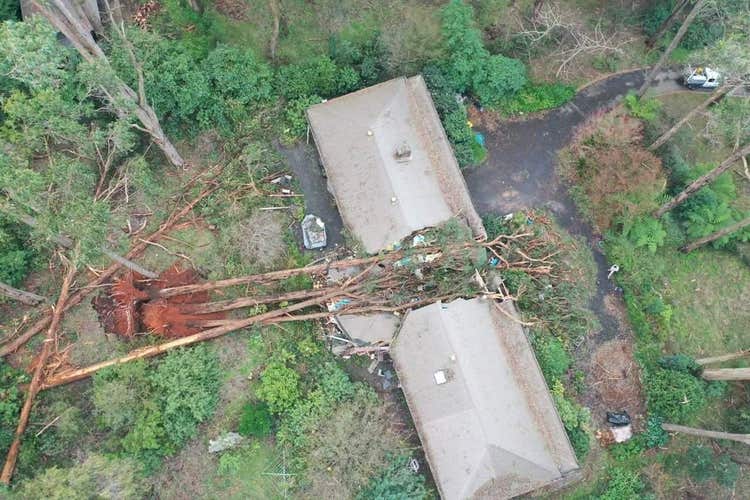
AAMI’s Top 10 storm hotspots in Victoria
Vic SES’ Top 10 storm hotspots in Victoria
Executive General Manager Home Claims Customers, Alli Smith, says that this data should encourage all Australians to prepare where they can in advance of storm season – even if their suburb isn’t listed as a hotspot.
“Aussies tend to have a ‘laissez faire’ attitude when it comes to preparing for summer storms. However, what Australians don’t realise is that storms can be a serious event and don’t need to last long to cause severe damage to their homes,” Ms Smith says.
“Despite the heightened risk of bushfires from El Nino, we need to also be ready and prepare for wild weather brought by thunderstorms, flash flooding, damaging wind and hail.”
Ms Smith adds that while it can be tough to find the time or reason to prepare around storm season, putting routine storm-risk plans in place could offer an increased level of protection to your home that you wouldn’t otherwise have in the event of a disaster.
“When times are tough, it can be hard to prioritise things like home maintenance, particularly spending money on improving the resilience of your home. However, many of these tasks don’t cost or take long, and can be well worth the investment to strengthen the resilience of their biggest asset,” Ms Smith says.
Top tips to prepare
- Securing and putting away loose items around your backyard or balcony.
- Trimming trees and branches that could fall onto your home or car.
- Cleaning your gutters, downpipes and drains of leaves and debris.
- Parking your vehicles under cover and away from trees or powerlines.
- Inspecting retaining walls.
- Ensuring there’s no corrosion, loose fittings or rotting timber around your property.
- Inspecting your roof for damaged or loose tiles.