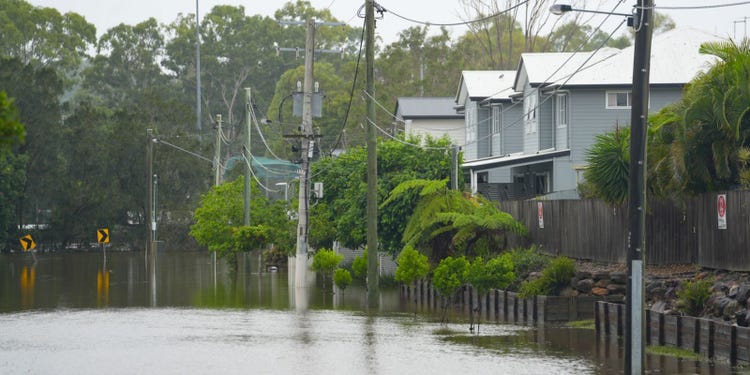
The Future Housing Roundtable, hosted by insurer Suncorp, is the first of its kind to bring together these critical agendas for a frank conversation about the housing crisis, inadequate planning, and the urgent need to change our approach.
The roundtable is centred on a new public policy paper from Suncorp, which explores how to increase housing supply in ways that are both affordable and resilient.
Participants will discuss the challenge Australia faces in building more homes to address the current shortage of affordable housing supply, while considering the potential unintended consequence of further exacerbating our exposure to natural disasters such as floods and bushfires.
The roundtable will be attended by Assistant Treasurer and Minister for Financial Services Daniel Mulino and New South Wales Minister for Planning and Public Spaces Paul Scully.
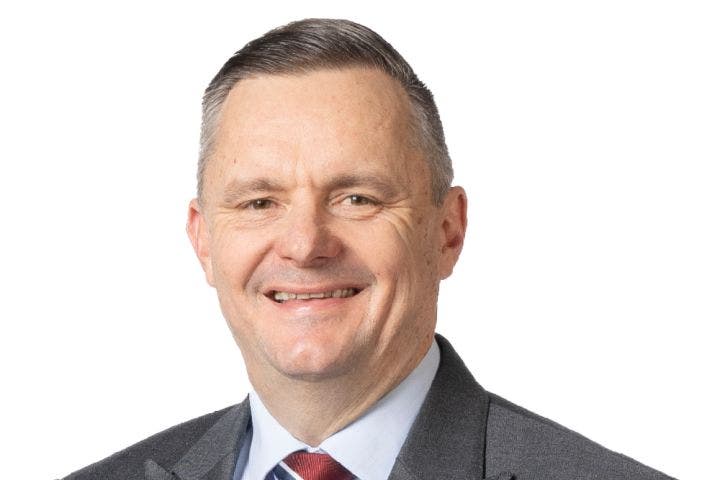
“For too long, the housing and resilience sectors have operated in isolation, leading to too many homes being built in high-risk areas susceptible to flood, fire and cyclone,” Suncorp CEO Steve Johnston said.
The roundtable discussion paper, titled “Affordable and Resilient Private Housing Supply – can we build new homes without putting more Australians at greater risk of natural disasters?”, was developed through extensive cross-industry collaboration.
Mr Johnston said the paper discussed the risks of housing developments expanding into areas with high natural hazard risk, such as the fringes of cities and regional centres, where lower upfront costs can be an attractive but dangerous incentive.
“While these greenfield areas often offer lower upfront costs for developers, they present a significant and growing risk to homeowners and communities,” Mr Johnston said.
“Without proper thought and discussion, we will only see a deepening of inequality, push more people into financial hardship, and widen the divide for our most vulnerable community members.”
This sentiment is reinforced by recent findings from the National Climate Risk Assessment, which highlights the significant threat climate change poses to Australia’s built environment and predicts disaster costs could reach into the tens of billions annually without adaptation.
New South Wales Minister for Planning and Public Spaces Paul Scully said the impacts of climate change and natural hazards are critical considerations in land use planning, particularly as we increase housing supply.
"Weather events are getting more extreme, more frequent and less predictable and while we face that challenge we’re also grappling with critical need for more housing,” Minister Scully said.
“We have taken steps towards this with the first ever State Disaster Mitigation Plan but there’s a lot more to do and I look forward to having open and frank discussions about potential next steps today.”
The recommendations in the discussion paper offer a pathway for governments and industry to create a housing market that is not only accessible but also secure in the face of worsening extreme weather events.
