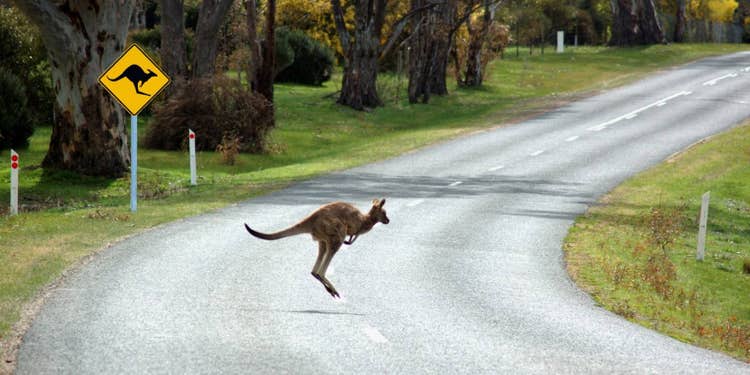
Key takeaways
- AAMI data shows wildlife collisions are a major road safety issue, with 41 per cent of Australian drivers having hit an animal and more than 24,000 wildlife collision claims lodged in 2025, most commonly in winter and low‑light conditions.
- Driver reactions are increasing risk, with one in five drivers saying they would swerve to avoid an animal, despite expert advice that this can lead to more serious crashes.
- The impact is costly and dangerous, with over 4,500 vehicles written off in 2025, average claim costs exceeding $9,000, and kangaroos responsible for more than 80 per cent of collisions, particularly on regional roads at dawn, dusk and overnight.
More than 40 per cent of Australian drivers have hit an animal, and when it comes to how they'd respond in the moment, one in five admit they would swerve to avoid one.
AAMI Motor Claims Manager Leah James said instinct can be a driver’s worst enemy when wildlife unexpectedly appears on the road.
“No one plans to hit an animal, but when wildlife jumps into your path out of nowhere, panic can take over pretty quickly," she said.
“Swerving may feel instinctive, but it is one of the most dangerous reactions a driver can have.
"When confronted with wildlife behind the wheel it often causes drivers to lose control, swerving to miss the animal and hitting a tree, or crashing into another vehicle, all of which are far worse than the original risk.
"AAMI is urging drivers to slow down, stay alert, and keep a close lookout for wildlife, particularly in signed areas.”
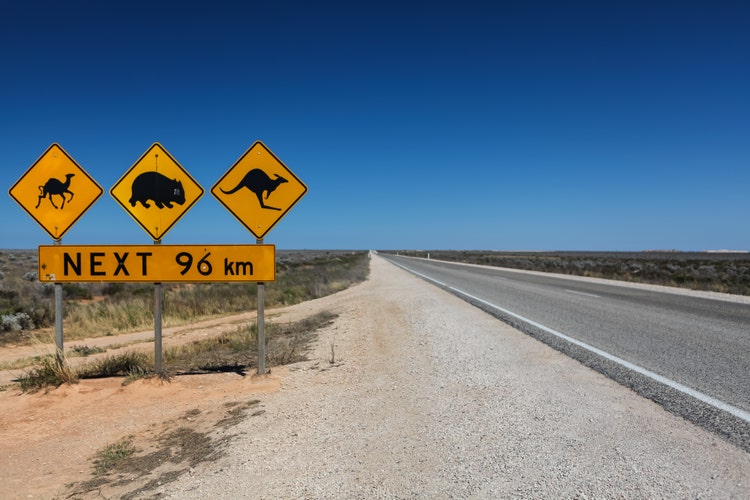
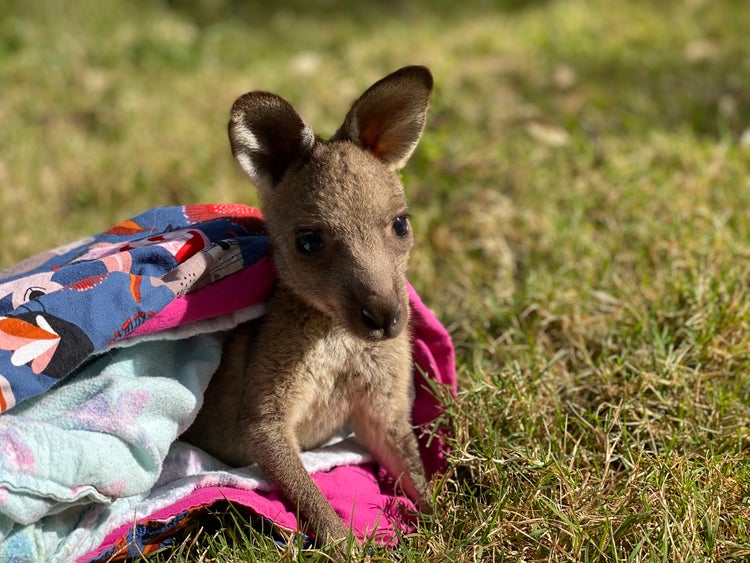
Reality bites: when and where crashes happen
AAMI's claims data from 1 January to 31 December 2025 shows wildlife collisions are far from rare, with more than 24,000 claims recorded nationwide.
AAMI data reveals crashes are most likely:
- In winter (June, July, and May are the top three months for claims)
- In low light (evenings, overnight, and early morning)
- On regional roads, where wildlife is more active
In 2025, more than 4,500 vehicles were written off due to animal collisions, with the average claim cost exceeding $9,000.
Ms James said the timing of these crashes was no coincidence.
“Animals are most active at dawn, dusk, and overnight, exactly when visibility is at its worst, leaving drivers with less time to react,” Ms James said.
“Winter brings longer periods of darkness and colder nights and mornings, so animals are on the move more, which means you have a perfect storm for collisions."
Too little, too late
While 77 per cent of drivers say they'd slow down if they spotted a large animal near the roadside, far fewer take precautions early. Less than half of Aussies surveyed (46%) said they always adjust their driving in wildlife warning zones.
“You’ve got drivers doing the right thing when the animal is right in front of them, but not necessarily when the warning signs are there,” Ms James said.
Aussies care - but need a game plan
The good news is Australians want to help if a crash does happen:
- 60 per cent would stop and check if the animal is ok
- 50 per cent would call a wildlife rescue service
“Aussies have their hearts in the right place, but in the moment, it’s not always clear what to do,” Ms James said.
“Having a game plan, especially if you’re travelling on country roads, takes the guesswork out of a stressful situation.”
WIRES and AAMI's top tips: If you hit an animal
- Pull over safely and check the animal if it's safe to do so
- Call a wildlife rescue services such as WIRES (Wildlife Rescue and Education Service)
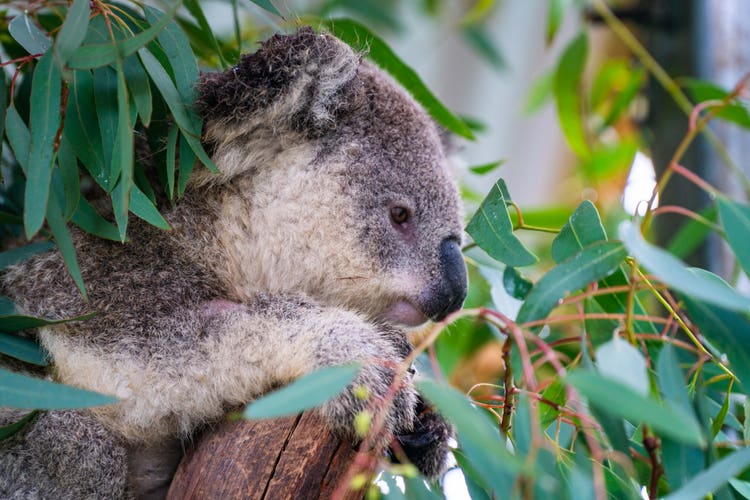
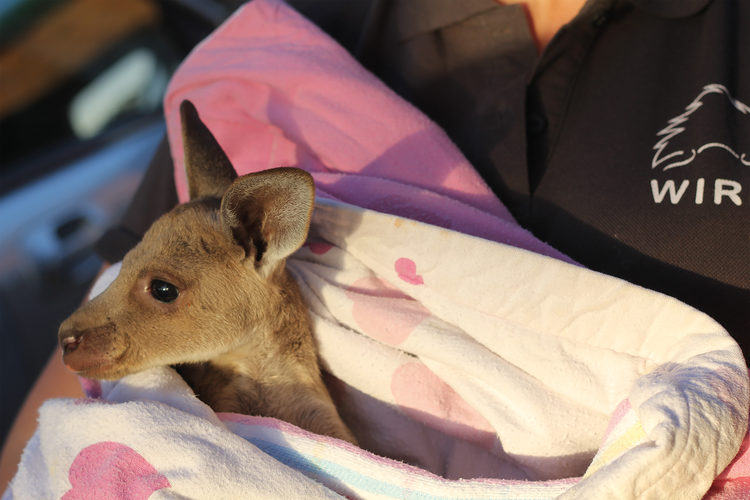
- Check for joeys, especially with kangaroos, koalas, wombats, and echidnas
- Look nearby for young animals that could have been thrown from the pouch
- Keep a simple wildlife kit in your car (including gloves, blanket, cardboard box or pet carrier , and water bottle).
What the experts say...
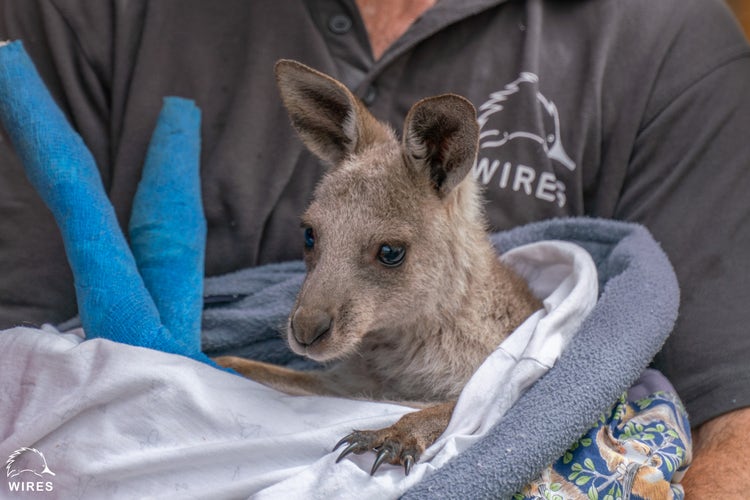
Wildlife Rescue and Education Service (WIRES) spokesperson John Grant said wildlife rescuers see the impact of these crashes every day.
“Many animals we rescue have been hit in low light, when drivers don't see them in time,” Mr Grant said. “Slowing down in wildlife zones and staying alert can make a real difference.
“A major factor for the spike in animal collisions over winter, is peak-hour traffic coinciding with the time nocturnal wildlife are on the move—at dusk and dawn—to feed and are most likely to be crossing roads.
“Extreme conditions, like the drought across NSW, push animals to travel further to find food and water and can leave them disoriented in unfamiliar areas.”
Top three animal collision hotspots in each state and territory
National
Victoria
2. Sunbury
3. Toolern Vale
New South Wales
2. Broken Hill
3. Sutton
Queensland
2. Dalby
3. Biloela
South Australia
2. Coober Pedy
3. Mount Gambier
Western Australia
2. Roleystone
3. Baldivis
Tasmania
2. Kingston
3. Campbell Town
Australian Capital Territory
2. Kambah
3. Hume
Northern Territory
2. Rakula
3. Alice Springs


