Four actionable ideas
The paper, developed following a roundtable with more than 50 senior experts from government, research and industry in September, outlines four actionable ideas:
- Recognise the disaster risk reduction benefits of nature positive investments in planning and decision-making
- Enhance investment guidelines to encourage and support nature-based approaches to disaster risk reduction
- Enable public-private partnerships to drive the implementation of nature-based solutions
- Undertake pilot studies to demonstrate the effectiveness of nature-based solutions and build confidence in their application.
The paper also outlines considerations for nature positive disaster risk reduction solutions, such as selecting opportunities, financing and investment guidelines, insurance and consultation with local communities, including First Nations groups.
Suncorp Chief Executive Consumer Insurance Lisa Harrison said it was crucial to explore a broader range of solutions in disaster resilience. “The purpose of this work is to engage key policymakers to make sure we are considering as many options as we can to lower risk, and impact, of extreme weather,” Ms Harrison said.
“To be successful, nature positive disaster risk reduction solutions require partnerships between government, business, not-for-profits, science and the community."
Suncorp plays an important advocacy role in this space
Suncorp is an industry leader in advocating for a more natural hazard resilient Australia. Suncorp’s four-point resilience plan includes:
-
investing in mitigation infrastructure,
-
providing resilience grants to property owners,
-
enhancing building codes and planning, and
-
removing unfair and inefficient taxes and charges.
Its industry leadership role includes creating forums for stakeholders to exchange ideas and identify opportunities for collaboration, and our partnership with NHRA in developing the discussion paper is an example of this plan in action.
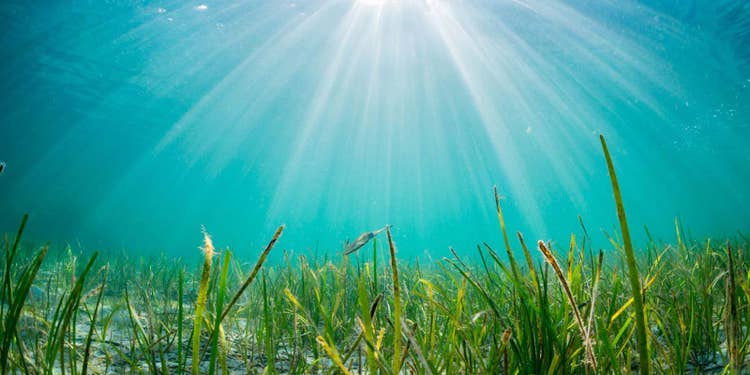
#Examples of NPDRRS
Inland flooding
- Floodplain restoration
- Enhanced water storage in wetlands, forests and farmlands.
Stormwater and urban flooding
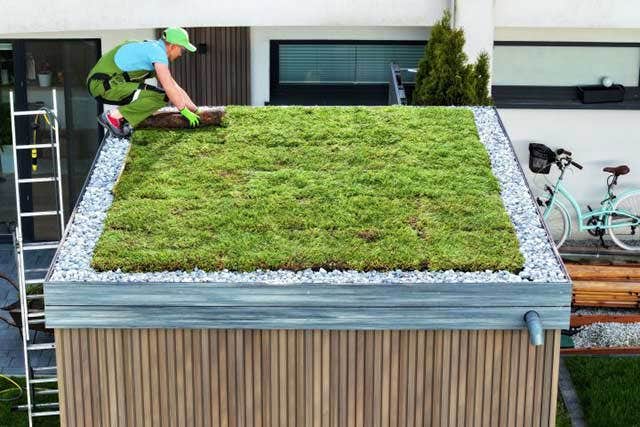
- Green roofs which can absorb, evaporate and transpire stormwater overflow
- Rain gardens in shallow basins in yards and along streets or sidewalks
Shoreline tidal flooding and surge
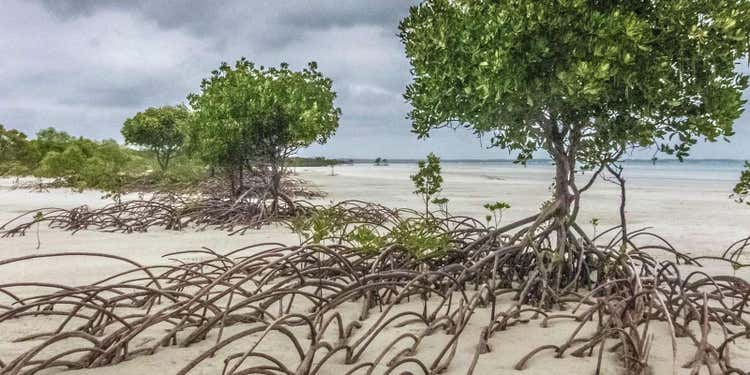
- Protecting or restoring coastal habitats – mangroves, coral reefs, oyster reefs, beaches and rock reefs, coastal dunes, freshwater marshes and salt marshes
- Living shorelines – native coastal habitats (oyster reefs, salt marshes, mangroves, seagrass beds).
Bushfire: rural and urban settings
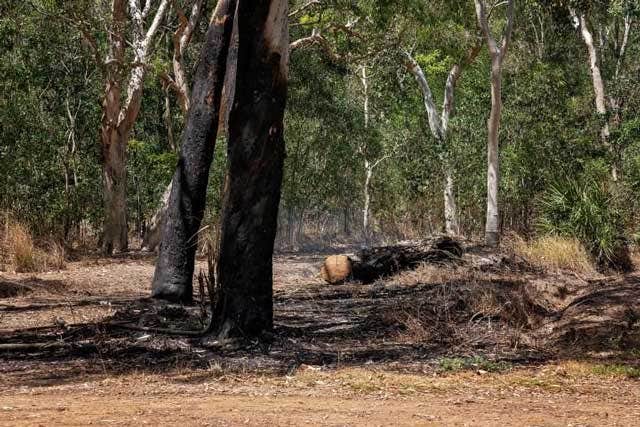
- Forest management – prescribed burns and bushfire management reducing bushfire severity and risk to communities
- Greenbelts – forests near communities that are managed to be less flammable or irrigated to provide a firebreak, reducing fire risks.
Professor Cheryl Desha, Science and Innovation Director at Natural Hazards Research Australia, said the discussion paper shows ways that Australia can better work with the environment to reduce disaster risks.
“We must be courageous in planning for communities to be sustainable, safe and resilient,” Professor Desha said.
“Science and research can help us – the way to achieving meaningful action and results in by working together with partnerships across research, government, business, not-for-profits and community.
“Nature is incredibly resilient and offers us many opportunities – there are solutions out there that will help and there are options to develop pilot studies that further show how effective nature positive disaster risk reduction solutions can be. By working with our natural environment, we can learn to better live with what nature throws at us.
“By doing this, Australians all over the country, and our precious environment, will be safer, more resilient and sustainable in the face of our increasing natural hazard risk."